
Decision Tarot Reading
Five cards. Two paths. Both costs. The piece you keep missing.
One deep reading a month on the free plan. The One opens five a day.
Why this spread
The decision spread is five cards. Two paths. The cost of each one. And the thing you keep refusing to look at. Most readings about a choice only show the upside of each option. This one shows what each path takes from you, not just what it gives. The card in the middle is usually the part the question itself is hiding.
Pull this when you're stuck between two options and the pros-and-cons list isn't moving anything. Both look fine on paper. Neither feels right. That gap is usually the middle card. Name the two paths clearly when you ask. The Oracle reads them as a pair, not in isolation.
The Spread
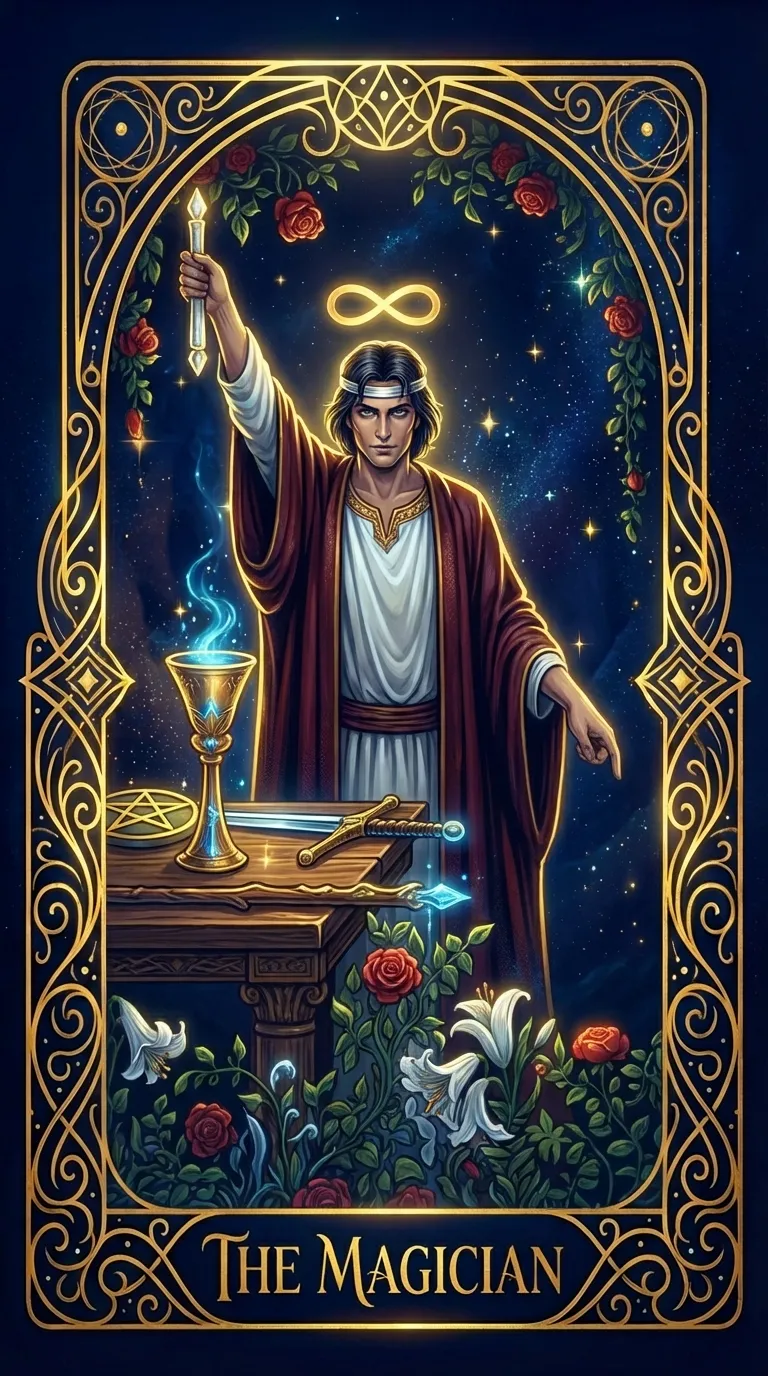
The first option, read on its own terms.
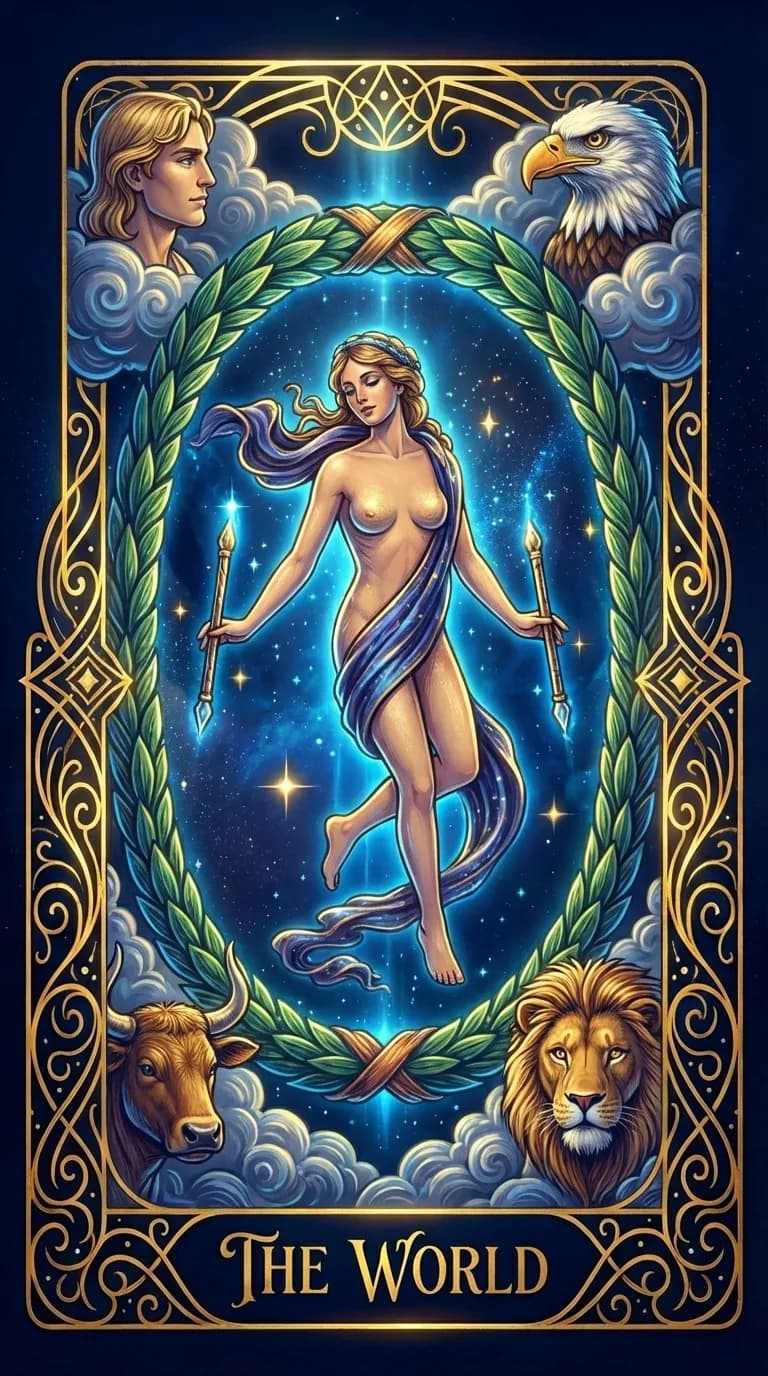
The second option, read against the first.
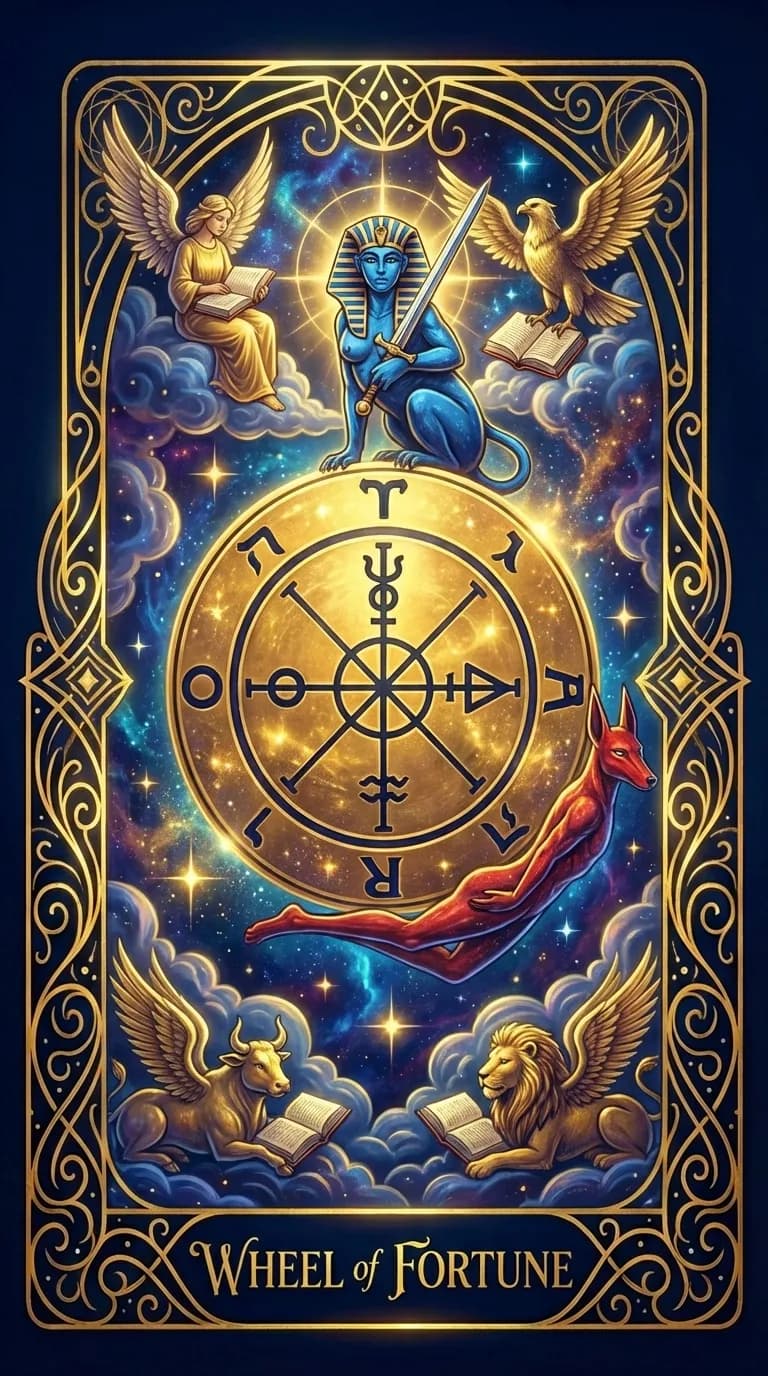
The factor you keep walking around.
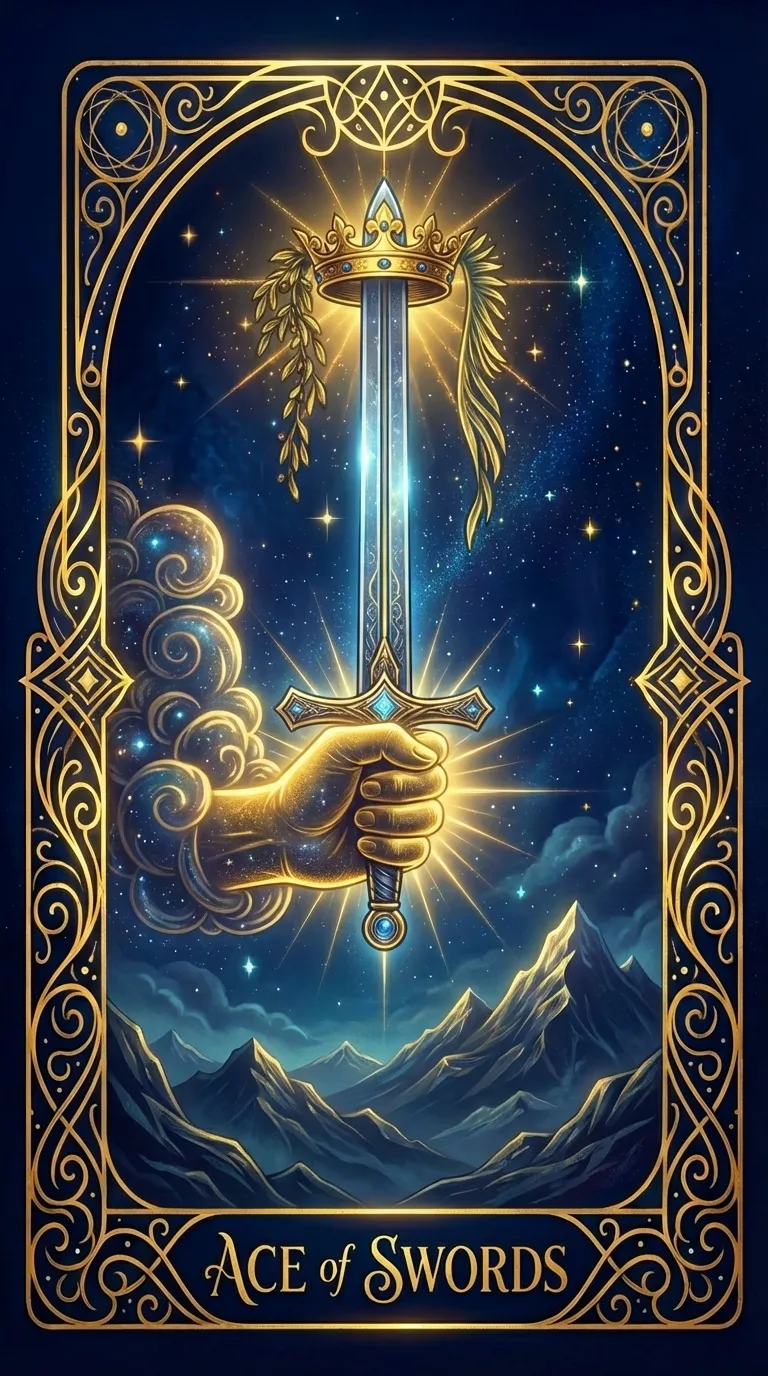
What the first path takes from you.
What the second path takes from you.
When to pull
Pull the decision spread when you've been carrying two real options long enough that the question has worn a groove. Job A or Job B. Stay or go. Move or root. The choice isn't moving and the usual ways of thinking about it have stopped helping.
Don't pull it for a yes-or-no question. That's a different spread. Don't pull it when the two paths aren't really the choice. Sometimes the real decision is between one of them and a third option you haven't named yet. The middle card catches that, but the reading is sharper when you bring two paths you've genuinely been weighing.
If the question is one path or no path, try a one-card or yes-no reading first.
Most five-card spreads treat each card as a separate slot. This one doesn't. Cards one and two are the paths. Cards four and five are what each path costs you. The middle card sits between them as the hidden factor. What the framing of your question has been excluding. The Oracle reads each path against its own cost. Both pairs read against the middle. The answer comes from the relationships between the cards, not the cards alone.